
How the Study Was Conducted
- Participants: 52 educational and therapeutic staff members who prepared students for the conference — school administrators, physical education teachers, dance therapists, classroom educators, and teaching assistants, from a range of special-education frameworks across Israel.
- Instrument: an anonymous 12-item questionnaire.
- Student population: students aged 6 to 21 with a wide range of disabilities.
- Focus: staff perceptions of the program’s contribution to students’ motor, socioemotional, and cognitive development.
What the Findings Mean
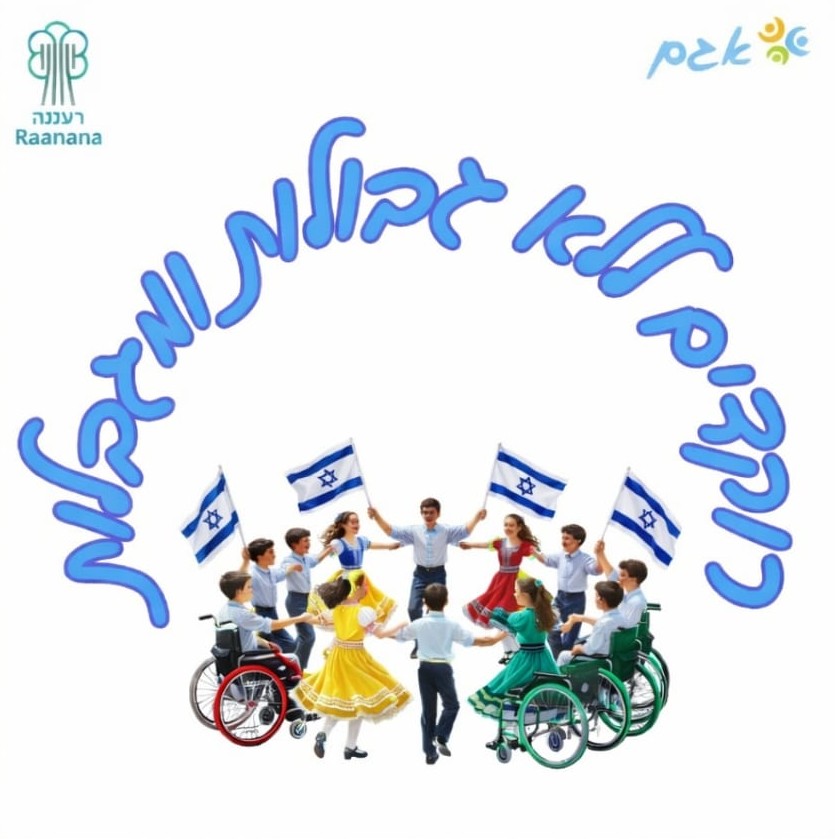
The study found that group formations in dance — particularly circles and pairs — were perceived as enhancing interpersonal communication, mitigating social withdrawal, and reinforcing a shared sense of belonging.
The conclusion: adapted folk dancing may serve as a valuable, multidimensional pedagogical and rehabilitative tool. Integrating it into special-education curricula can combine physical development with socioemotional growth, strengthening self-esteem and facilitating meaningful community inclusion among children and young people with complex developmental and physical needs.
Why this matters for a school considering joining. This is the first time the conference has received academic recognition in a leading physical-education journal. Principals, inspectors, and boards can rely on published research findings — not only on impressions — when weighing whether to bring the program to their students.